 Canadians in Argentina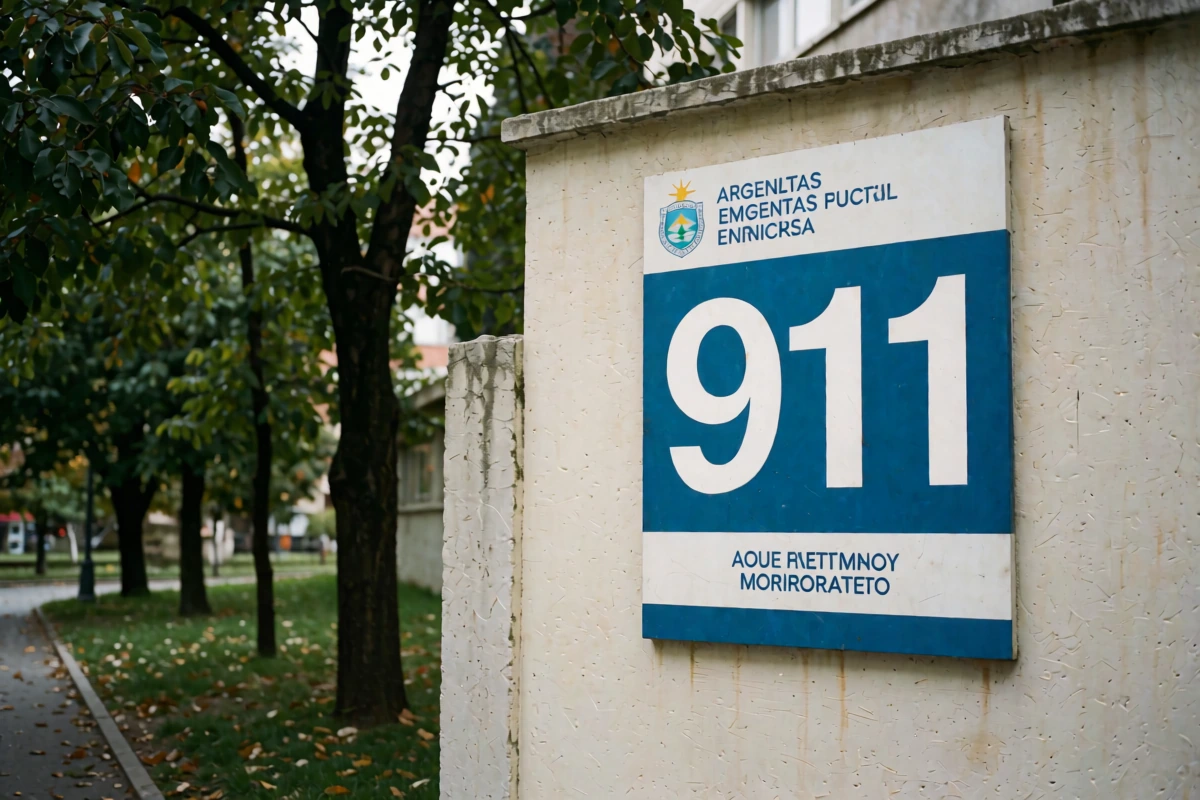
Write the location as a responder would need it
Street and number are the beginning of the address. The floor, unit, neighbourhood, city and province narrow it down; a building or tower and the correct gate matter when the entrance is inside a complex. A landmark can help someone orient themselves, but the address should still stand on its own.
The local terms calle, número, piso, departamento, barrio and provincia make a written card easier to use in Spanish. Someone familiar with the area can help check its wording, and reading it slowly aloud can reveal a missing detail. A map pin is an additional aid. The written version remains available when signal or battery fails and should change when you move.
Local responders and consular staff have different jobs
Official Argentine health information is a starting point for local emergency contacts relevant to your address. Each verified number needs a service name beside it, so a medical need is not mistaken for a different emergency. Immediate danger or urgent medical need calls for the appropriate local responder; the Canadian embassy cannot dispatch one in its place.
The embassy's Global Affairs Canada page describes consular pathways for serious difficulties involving matters such as documents, detention, hospitalization or family communication, within the limits of consular assistance. An insurer's assistance number has another purpose again. Keeping both contacts securely available offline alongside local details makes it easier to reach the right channel.
Medical details should be current and specific
A compact record can identify you by full name and birth date and note allergies, important conditions and regular medication with doses. A verified blood type may be included; a guessed one should be left out. Generic medication names can be clearer to a clinician or pharmacist than a Canadian brand alone. The card should contain only as much sensitive detail as is appropriate for the place you carry it.
A complex condition may call for a current clinician letter, with a Spanish version alongside the original if useful. For a child, current age, weight, allergies, care instructions, contacts and consent preferences may matter. A Canadian healthcare provider can advise on records and supplies before a long stay; care in Argentina depends on Argentine services. A similar-looking label is no reason to change a dose or translate a diagnosis casually.
A few Spanish phrases can travel on paper
Necesito una ambulancia, No hablo español con fluidez and Mi dirección es… can sit beside the written address. Printed words remain accessible when a translation app cannot connect or the phone battery is low. A preferred-language note may help someone understand your needs, though it cannot guarantee an interpreter for a complex medical conversation.
The card is easiest to find when it has a regular place and a companion knows where that is. Another trusted adult might hold a copy if privacy allows. Detailed records and passport numbers are safer in protected storage than exposed scans; lock-screen information is a personal decision about what to make visible to a stranger.
Keep the card current without testing emergency dispatch
Numbers and links can be compared with current official pages at a calm moment. You can confirm how the phone dials local numbers without making a non-emergency test call to an emergency line. A new prescription, address or contact calls for a card update. In a sudden illness or after losing a phone, a short accurate card is more useful than a crowded one.
Argentine health information and Global Affairs Canada explain their respective channels, not a promised response time or care outcome. Insurance, private care and provincial health coverage each have their own terms. Non-urgent questions belong with the relevant institution, leaving emergency lines for emergencies.
The card earns its place by being easy to find and easy for someone else to understand. A full address and clearly named contacts spare you a search at the moment when attention is needed elsewhere.
Questions that change the plan
Which emergency number belongs on the card?
The current local number for the service needed at your location, verified through official Argentine information. Its service name should sit beside it, apart from consular and insurance contacts.
Is the Canadian embassy an emergency dispatcher?
Immediate danger and urgent medical needs call for local responders. The embassy's official page explains its separate consular assistance role.
How detailed should the address be?
Street, number, floor, unit, neighbourhood, city and province help identify the location. Add the correct gate or building entrance when the address alone is ambiguous.
Can I test a number by calling it?
An emergency line should be reserved for an emergency. Official pages can confirm contact details, and another person can check that the written address makes sense.