 Canadians in Argentina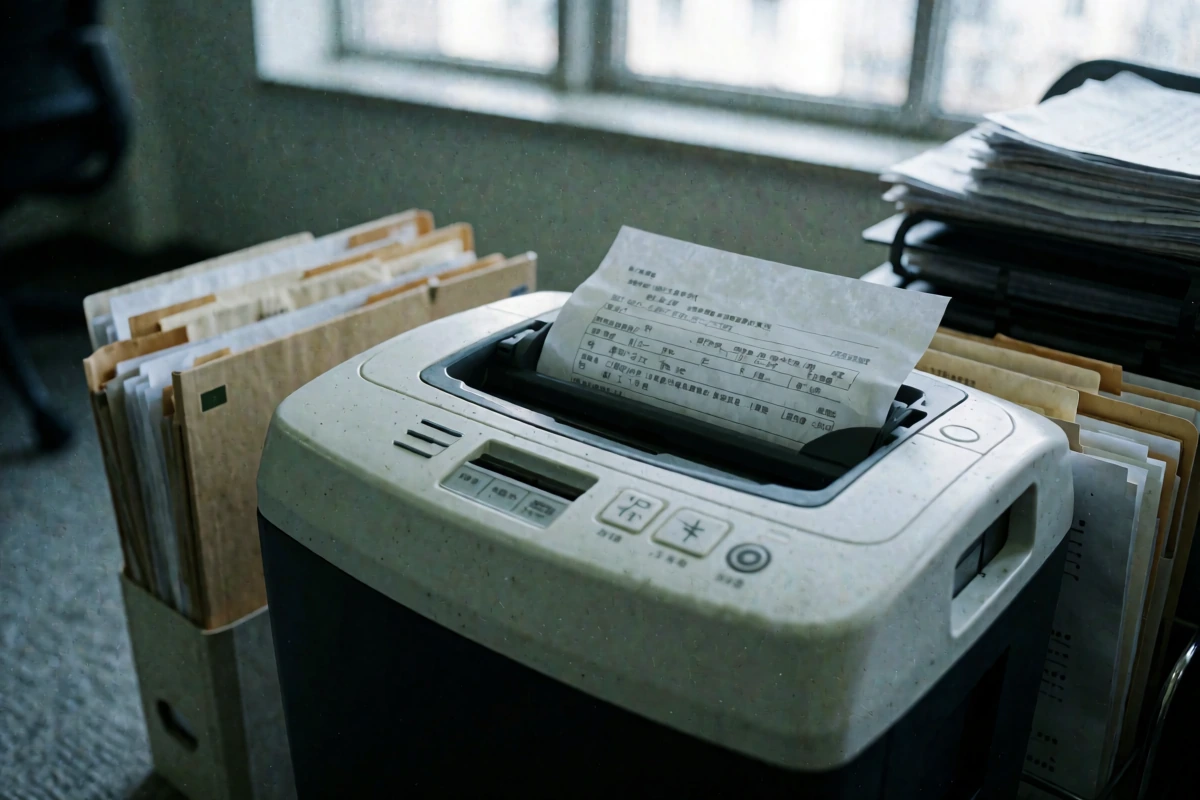
Build packets around actual appointments
A family arranging school entry needs different papers from an adult attending a clinic. Separate what a named appointment requires from protected reference copies and older records in secure storage. The institution sets its own document requirements; your filing system should make it possible to meet them without carrying everything you own.
An inventory can record the type and owner of each document, its issuing country, expiry where relevant and storage location. It need not repeat sensitive identification numbers. Keeping the child's enrolment papers apart from a parent's treatment history means that finding the right school packet does not also expose the medical file.
Give originals a secure place to return to
Passports and original certificates belong in secure storage between appointments. Bring one out when the receiving institution requires it and put it back afterwards. A photocopy can help with reference details, but the recipient decides whether it accepts a copy in place of an original.
Keep the inventory apart from the records it describes and decide who in the household needs access to each packet. Someone helping with an appointment need not have access to every person's documents. Canadian consular services can explain available assistance after a loss, but reducing what travels together makes that loss less disruptive.
Keep a backup you can open without your phone
A scan helps reconstruct details after a loss, but it carries the same private information as the paper. A strong device passcode and a private document folder offer more protection than an open photo stream or group chat. Keep another protected copy outside the primary phone so a damaged handset cannot take away both the record and your route to the responsible office.
Recognizable filenames need not broadcast identity numbers. Date records that change, remove stale sharing links and label translations beside their source documents. A digital copy is a reference until the receiving institution accepts that format. The backup is useful only if you can retrieve a record and an embassy contact without a code sent exclusively to the missing phone.
Know who is receiving the file
A clinic, landlord and school may each need information, but each request has a different purpose. Use a contact channel the institution offers and clarify requests that seem unrelated to the appointment. An unexpected address or unexplained upload link deserves verification through a contact you already know belongs to the institution.
Community groups can point you toward published instructions without seeing your identity papers. A relative helping with one errand needs the relevant information, not open access to the archive. Removing temporary message copies afterwards reduces clutter and exposure, although it cannot erase a copy someone else has retained.
Clear out the copies an appointment leaves behind
A loss plan needs official contact routes accessible without your main phone, but not passwords, PINs or one-time codes. When a school, account or medical instruction changes, date the new record and move the old version out of active use. Otherwise an outdated file may be the easiest one to send.
Before leaving accommodation, look for papers in printer trays and downloads or links on shared devices. Canadian living-abroad and consular pages help with Canadian services; the Argentine institution's privacy notice or records office explains its own collection and retention practices. Finishing an appointment does not necessarily remove the material submitted for it.
The best archive is quiet: the school packet contains school papers, an original has a secure home, and a backup remains accessible if the phone goes missing. That leaves less private information in places it was never meant to stay.
Questions that change the plan
Should I carry every original document with me?
Carry the originals required for the specific task and keep the rest securely stored. Confirm the recipient's requirements, because a reference copy may not satisfy an original-document request.
Are phone scans accepted as official records?
Not automatically. Scans help with continuity, but acceptance depends on the institution, procedure, and current instructions.
Can Canadian travel guidance settle an Argentine privacy question?
No. It provides Canadian travel and consular context, while the Argentine institution's own records office or privacy notice is the place to clarify its collection and retention practices.
What if my only copies are on a lost phone?
A separate protected backup reduces that vulnerability, so arrange it before a loss. Keep official contact routes accessible independently, without storing passwords or one-time codes in the recovery note.