 Canadians in Argentina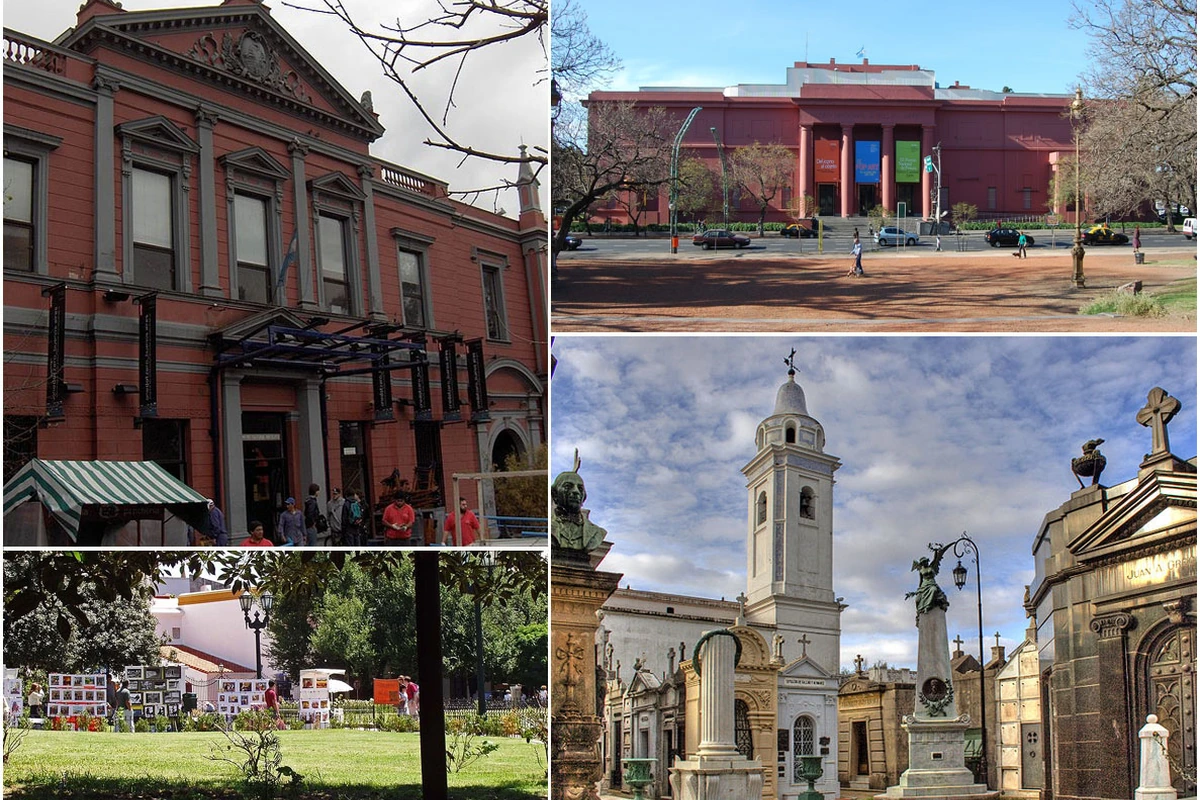
What each neighbourhood gives up and gives you
Palermo, the city's largest neighbourhood, has visitor-friendly furnished rentals but some of its highest rents. Soho and Hollywood concentrate cafés, restaurants and nightlife; Palermo Chico and streets near Bosques de Palermo are quieter. Line D follows Avenida Santa Fe, with Mitre and San Martín commuter trains also serving the area. Recoleta shares the higher rent range and a shorter ride to the centre, with the cemetery, museums and older apartment buildings. Lines H and D serve it, the latter along Santa Fe through Barrio Norte; light, lifts and upkeep vary considerably by building.
Belgrano's Avenida Cabildo is a shopping corridor over line D, while side streets and Belgrano R near its Mitre station feel quieter. Barrio Chino sits by Belgrano C station, and families often favour this northern district despite rents close to Palermo's. Villa Crespo borders Palermo Soho, with some of its café streets a few blocks away at lower rent; line B runs along Avenida Corrientes.
South of the centre, San Telmo has cobbled streets, tango halls and the Sunday Calle Defensa fair. It is cheaper per square metre, though tourist activity and noise are higher, many old buildings lack lifts and the subte skirts its edges. Farther west, Almagro and Caballito have lower rents than the northern districts and more Spanish in daily life. Line A follows Rivadavia through both, line B crosses Almagro on Corrientes and the Sarmiento train stops at Caballito; Parque Centenario and Parque Rivadavia offer green space.
Some families using bilingual or international schools settle beyond the city limits in Vicente López or San Isidro. The Mitre train and Avenida del Libertador link those addresses back to Buenos Aires, making the school and work journeys part of the same housing decision.
Rent is only one part of the neighbourhood budget
The September 2026 comparison is about US$750 for a central one-bedroom and US$545 farther out. Palermo, Recoleta and Belgrano usually occupy the upper range; Villa Crespo, Almagro and Caballito are lower. The price in a listing may leave out expensas, the monthly building charge for staff, lifts and cleaning, as well as electricity, gas, water and internet. Ordinary expensas usually fall to the tenant and major extraordinary works to the owner unless the lease provides otherwise; a portero or 24-hour security raises the building charge.
DNU 70/2023 repealed the 2020 rental law, leaving term, currency and adjustment to the landlord and tenant. Dollar-priced leases are common, while peso rents often rise every few months according to an inflation index. Two apartments with the same initial rent can cost very different amounts later in the lease.
Try the commute before signing a long lease
A furnished alquiler temporario for one to three months gives you a base while you compare addresses. Search Palermo apartment rentals on PlataPlace for listings from owners and brokerages with source and last-seen date. Short lets are usually priced in dollars and need a deposit rather than a local guarantor. Compare Palermo, Belgrano and Caballito for Canadian renters while the longer search takes shape.
The block at rush hour and after dark is often more revealing than the district name. A longer unfurnished lease usually needs a property-owning local guarantor (garantía propietaria) or guarantee insurance (seguro de caución), which newcomers commonly buy. Its written offer should specify rent and currency, the adjustment index and interval, expensas, utilities, deposit and a photographed inventory; the city housing institute publishes tenant guidance. If the plan is to buy rather than rent, follow a Buenos Aires apartment purchase from viewing to escritura.
The journey home is part of the address
A SUBE card covers subte, colectivo buses and commuter trains. A subte ride costs ARS 1,753 in September 2026, while many buses run all night and connect places the subte misses. A route that works during the day should also make sense at the hour you usually return.
Phone and bag snatching occurs in Palermo and Recoleta as well as elsewhere, sometimes by motochorros on motorbikes. A phone away from the kerb and tucked into a pocket on crowded trains is less exposed. In an emergency, call 911 for police, 107 for an ambulance (SAME) or 100 for fire.
The best-known neighbourhood may make an easy first landing. The address to keep is the one whose rent, nights and daily journey still work once the short stay ends.
Questions that change the plan
Which Buenos Aires neighbourhood is best for expats?
Palermo, for most first arrivals: it has the widest choice of furnished rentals, cafés and subte line D. Pick Belgrano for a quieter family base, Recoleta for a central classic setting, or Villa Crespo, Almagro or Caballito to pay less.
Which Buenos Aires neighbourhood has the most Canadians?
No official count by neighbourhood exists. Canadians live where other English-speaking newcomers do, mainly Palermo, Recoleta and Belgrano.
How much does a one-bedroom cost in Buenos Aires?
About US$750 a month in central neighbourhoods and about US$545 farther out (September 2026), before expensas and utilities. Palermo and Recoleta sit at the top of that range.
Can I rent without an Argentine guarantor?
Yes. Furnished temporary rentals need only a deposit, and for a long lease a guarantee insurance policy (seguro de caución) replaces a property-owning guarantor.