 Canadians in Argentina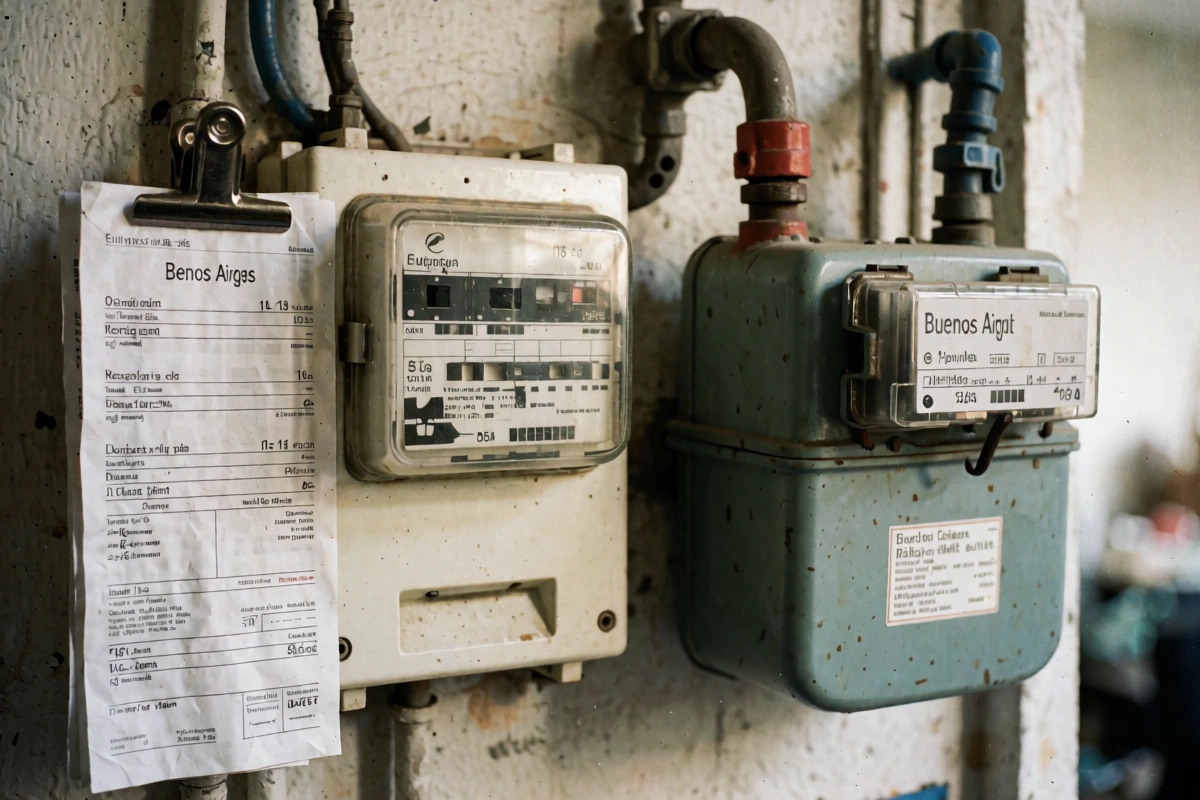
Start with the services attached to the property
Electricity, gas and water can be billed differently from internet or a building's shared heating and hot water. Some costs may already sit within rent or building charges. A bill or contract gives the provider name, service address and customer or meter reference more reliably than a remembered abbreviation.
The landlord or manager can explain meter access, particularly where equipment sits in a shared area. Dated photographs of visible starting readings, when safe and permitted, help establish the condition at move-in. The record need not involve opening or altering any equipment.
The account holder and payer may have different jobs
For each service, the useful arrangement identifies who pays, whose name is on the account, who reports faults and who can authorise access or work. A renter may pay the bill while an owner handles equipment. Shared wiring may require building administration to arrange access, even when a provider performs the repair.
A short written exchange can settle an unclear arrangement alongside the lease. Buenos Aires housing guidance gives context for owner and renter duties, but the contract and building instructions govern the practical route at a particular home; arrangements elsewhere in Argentina may differ. Compare rental homes on PlataPlace with their listing source and last-seen date, then examine the lease before transferring a utility. Argentina's national portal provides public information, while the provider or property contact answers account-specific questions.
The first bill establishes the baseline
The service address, account holder and billing period tell you whether the charge matches the rental. The meter reference, amount and due date complete the comparison where they appear on the bill. A period before move-in or a different address needs clarification with the person responsible for the account before the charge becomes routine.
Payment confirmation and its account reference show more than a banking entry recording money leaving. If a payment fails, the provider can explain the recognised next step. Bills and meter images may contain account details, so household records belong in private storage rather than an unredacted neighbourhood-group post.
A fault report needs a symptom and a contact
What stopped working, when it began and whether neighbours are affected are useful details for the person arranging a repair. A case number records the report; an appointment requires a separate confirmation. The household can plan around a stated visit without treating an acknowledgement as a promised repair date.
Internet service may be existing, transferred or entirely new, so its provider must establish equipment, serviceability and timing for that address. Electricity, gas, water and hot-water faults go through the responsible provider, owner or building contact. Equipment should remain with people qualified and authorised to handle it; the adults managing the home should have the contact details.
A short history helps when a fault returns
The service, symptom and date form the beginning of a useful repair record. Add the contact, response, case number and any promised follow-up. Photographs can show the condition without exposing personal details; after a visit, note whether service returned and attribute any technical diagnosis to the person who made it.
When the problem recurs, the next call can begin with what was already tried and whether the provider, owner or administration took responsibility. After the first billing cycle, the same household record also shows which charges and payment arrangements have become clear. It can serve another adult handling the next call or explaining the property's condition at departure.
The first bill and the first repair expose how a rental really works. Once each service has an account reference, a payer and a person who can arrange access, the household has a record useful for the next billing cycle and the next move.
Questions that change the plan
Do I need every utility account in my name?
Not automatically. Confirm the account holder, payer and repair route under the lease and the provider's requirements before requesting changes.
What should I photograph at move-in?
Record visible meter readings and relevant equipment condition with dates when safe and permitted. Do not interfere with equipment or share sensitive account information publicly.
What if the first bill covers time before I arrived?
Compare its billing period with the rental agreement and ask the responsible owner or account holder to clarify the allocation. Keep the bill and written response rather than making an assumption from the delivery date.
Does paying a bill mean I must organise every repair?
Payment and repair responsibilities can differ. Confirm who reports faults, who authorises access or work and who checks that service has been restored.