 Canadians in Argentina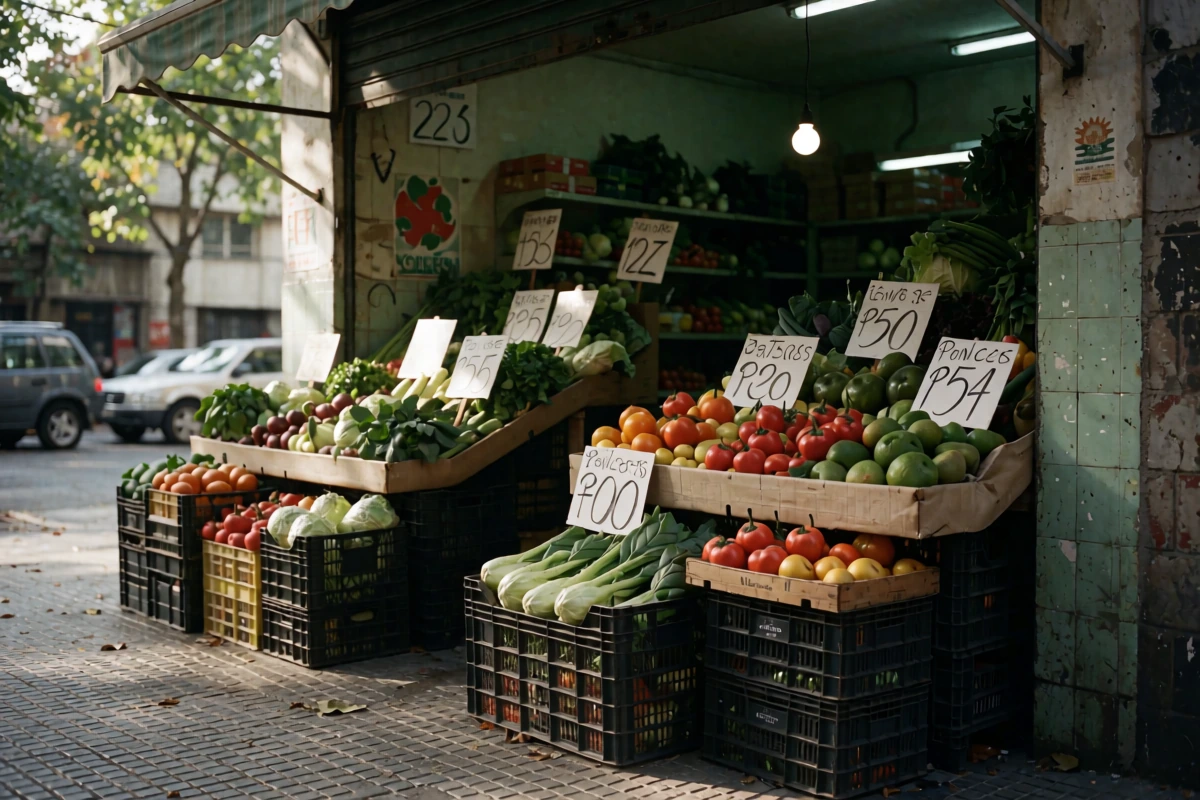
Compare households before comparing cities
Start with your own Canadian spending, whether home is Toronto, Montreal or Vancouver. Separate recurring costs from a recent holiday, furniture purchase or unusually expensive month. Then describe the Argentine arrangement you want: household size, working space, location and the amount of cooking you expect to do. This keeps a compact temporary apartment from being mistaken for a like-for-like replacement for a family home.
Build separate columns for Buenos Aires, Córdoba and Mendoza rather than treating Argentina as one price. Use actual offers that meet the same needs, collected close together in time. A lower total is only useful if the home, route to work and daily services are suitable. You do not need to declare one city the cheapest to discover which arrangement fits your income.
Put the whole rental arrangement in the rent column
For each prospective home, record the quoted currency and what the payment includes. Ask about building charges, electricity, gas, water and internet instead of treating silence in a listing as inclusion. Furnishings and equipment matter too: a ready kitchen and a bare room create different arrival budgets. Keep refundable money and one-time setup spending separate from the recurring cost, while still allowing for the cash needed upfront.
The Canadian comparison should use the same boundaries. If your Montreal payment includes something the Argentine quote excludes, add the missing cost before drawing a conclusion. Equally, do not charge the Argentine column for a household purchase while ignoring the equivalent purchase at home. Ask for written rental terms and the date of the quote; an attractive screenshot without its conditions is weak evidence for a move.
Price your grocery basket, not somebody else's holiday
Write down a normal home-cooking week and price the ingredients locally. Match quantities and product types, noting when you have substituted something you are happy to eat. A basket built around familiar Canadian brands may answer a different question from one built around what you would actually buy in your Argentine neighbourhood. Keep dietary requirements in the comparison rather than assuming every household can make the same substitutions.
Record where and when you found each price, and distinguish a temporary offer from the regular shelf price when that information is available. Include household essentials alongside food, but keep them in their own line so a cleaning-supplies purchase does not distort the grocery comparison. Once you arrive, receipts can replace estimates. The first settled weeks give you a better personal baseline than a visitor's account of inexpensive lunches.
Count the journeys and meals you will actually make
Transport belongs beside housing because the address determines the journeys. Compare the likely route from each rental to work, school or appointments, using current operator information for fares. Include the trips you expect to make beyond the daily commute. A plan based entirely on walking needs a second version for the occasions when walking will not suit the weather, the hour or the household.
Eating out needs the same honesty. Compare similar meals and check what the displayed price covers instead of setting a Vancouver restaurant bill against an Argentine snack. Give café visits, takeaway and sit-down meals their own place in the budget if they are part of your week. They are also part of meeting people and enjoying a neighbourhood, so a budget that deletes them altogether may be tidy but difficult to live with.
Keep inflation and currency changes visible
Every comparison is a dated snapshot. INDEC is the official starting point for Argentine consumer-price information, but a published price index is not a quotation for your apartment or your next shopping basket. Use it to understand price movement while refreshing the actual costs that matter to your household. A national measure and a particular household's experience can differ without either being a mistake.
Keep the original currency next to every converted amount and record the conversion method and date. Include known transaction costs rather than assuming a headline exchange rate is the amount you receive. Revisit the comparison before signing a lease and after your routine settles. Leave a clearly labelled margin for uncertainty, chosen around your finances rather than an invented universal percentage, and consider whether the plan still works if a major quote changes.
A useful comparison leaves you with a household plan, not a winning country. Keep the quotes current, make the currencies visible and allow space for the parts of neighbourhood life you hope to enjoy. The budget should help you choose a workable week in Argentina, with enough room to change your mind when the evidence changes.
Questions that change the plan
Is Buenos Aires cheaper than Toronto?
That depends on the homes, spending patterns and dated prices being compared. Build a matched household budget rather than relying on a city-wide claim, and include costs excluded from each rental quote.
How should I compare Córdoba and Mendoza with Montreal?
Use the same household needs and spending categories for each city. Price suitable homes and the journeys and groceries associated with them, rather than comparing unrelated neighbourhood averages.
Can INDEC tell me what my monthly budget will be?
INDEC provides official price statistics, not a personal household quotation. Use its information alongside current local offers and, after arrival, your own receipts.
Should I keep the budget in Canadian dollars?
Keep both the original currency and your Canadian-dollar conversion. Recording the date, conversion method and transaction costs makes later changes easier to understand.