 Canadians in Argentina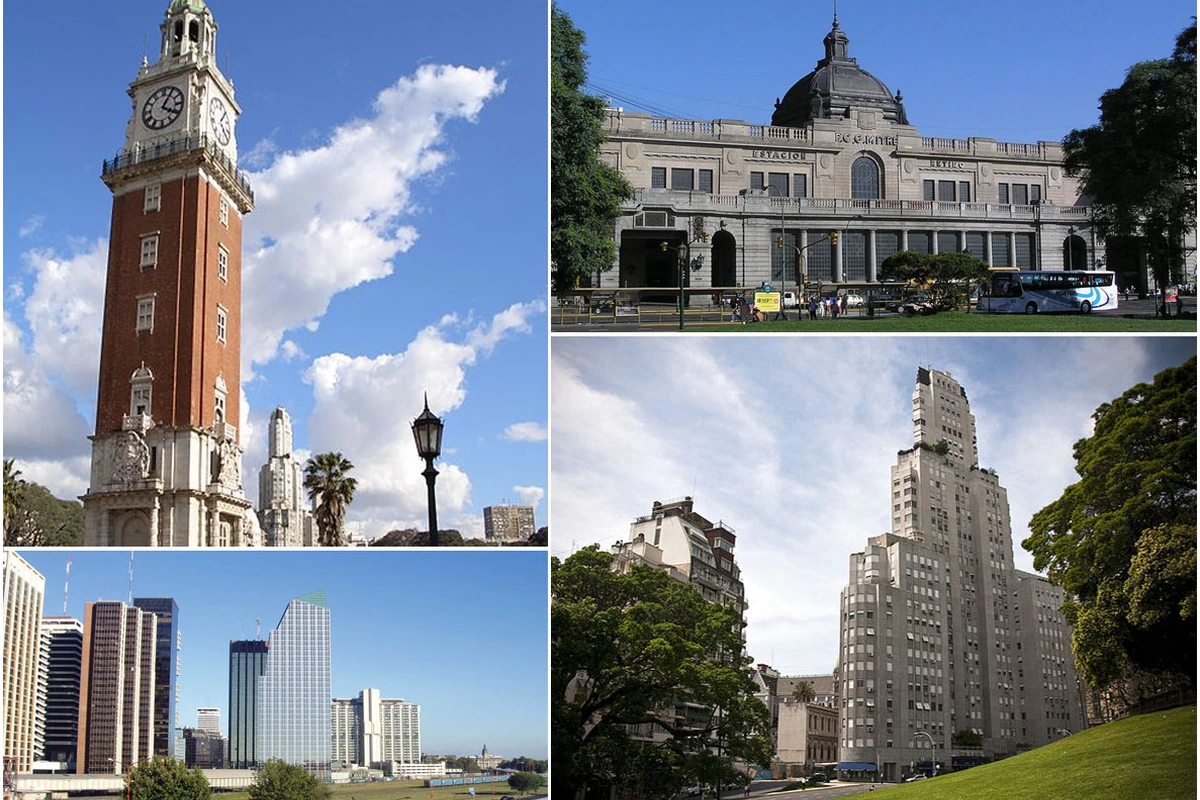
What the 1940 starting point tells us
Global Affairs Canada's account marked the relationship's eighty-fifth anniversary in 2025. Its description of uninterrupted ties refers to diplomatic relations between governments since 1940; policies and programmes have changed over that period. It is a useful anchor for a timeline without pretending that every decade looked alike.
Canada's embassy serving Argentina and Paraguay is in Buenos Aires. The reviewed account also lists Argentina's embassy in Ottawa and consulates in Vancouver, Toronto and Montréal. These posts give the relationship a continuing institutional presence. For an appointment, an entry question or a residence application, the responsible authority's current instructions matter more than an anniversary account.
Migration gives the timeline individual voices
The Canadian relations page mentions roughly 23,500 Canadians of Argentine origin. That approximate figure, as given in the official account, describes a population but cannot explain why any one family moved. Bridge to Argentina offers a way to encounter more particular histories.
The Canadian Historical Association describes Bridge to Argentina as a bilingual and sometimes trilingual virtual museum developed with the Argentine Museum of Immigration. Its This Day in History feature, guided Buenos Aires walking tour and Immigrant Stories podcast series place curated accounts alongside the diplomatic record. A testimony has its own speaker and historical setting; the museum's framing and a family's account are both useful, but they answer different questions.
Academic exchanges made the link tangible
The Association for Canadian Studies in Argentina was created in 1990, according to Global Affairs Canada. Its network includes academics, researchers, former fellows and alumni whose work relates to Canada. It is a scholarly connection with its own activities, rather than a general social club.
The official account also names the Emerging Leaders in the Americas Program and the Faculty Mobility for Partnership Building Program. It reports support for 440 Argentine students studying or researching in Canada since 2009 and thirteen Canadian professors travelling in the other direction through the faculty programme. These are reported participation totals from the reviewed account. Anyone applying now would need the programme's current dates and eligibility rules.
What the 2024 trade figures show
Global Affairs Canada's reviewed account reports about $2.5 billion in two-way merchandise trade in 2024: roughly $423 million in Canadian exports and $2.1 billion in imports from Argentina. Those rounded figures describe that year, not a permanent level of trade. They offer a scale against which to read the goods that moved between the countries.
Canadian exports in the account include machinery, ores, pharmaceutical products and electrical equipment. Soybean oil and precious metals feature among imports from Argentina, alongside wine and other food products. The Argentine-Canadian Chamber of Commerce, operating since 1977 in the reviewed account, is another institutional part of that history. Neither the trade totals nor the existence of a chamber establishes the prospects of a particular business.
Cooperation has also reached beyond both countries
Global Affairs Canada records deployments alongside each other in the United Nations Stabilization Mission in Haiti from 2004 to 2017. The account also notes Argentina's participation in Canada's Military Training and Cooperation Program and an October 2024 Letter of Intent to deepen defence relations. The letter records an intention, while the Haiti deployments describe a dated activity.
These episodes extend the history beyond embassies, migration and commerce without suggesting that the countries have taken the same position on every international question. Together with the public-history project, they make the 1940 starting point more specific: a continuing diplomatic channel through which different people and institutions have worked at different times.
The eighty-fifth anniversary in 2025 marks the duration of the diplomatic channel. The museum's migration stories, the exchange totals and the 2024 trade snapshot show some of the lives and institutions that have used it. Their dates and sources keep this long relationship legible without flattening it into a single story.
Questions that change the plan
When did diplomatic relations begin?
In 1940. Global Affairs Canada describes Canada-Argentina diplomatic relations as uninterrupted since then and marks their eighty-fifth anniversary in 2025.
What is Bridge to Argentina?
The Canadian Historical Association describes it as a bilingual and sometimes trilingual virtual museum developed with the Argentine Museum of Immigration, including migration stories and a guided Buenos Aires walking tour.
Does diplomatic continuity establish current consular rules?
No. Use the embassy's current published information for services and the responsible authority for a specific application. Historical ties do not determine personal eligibility.