 Canadians in Argentina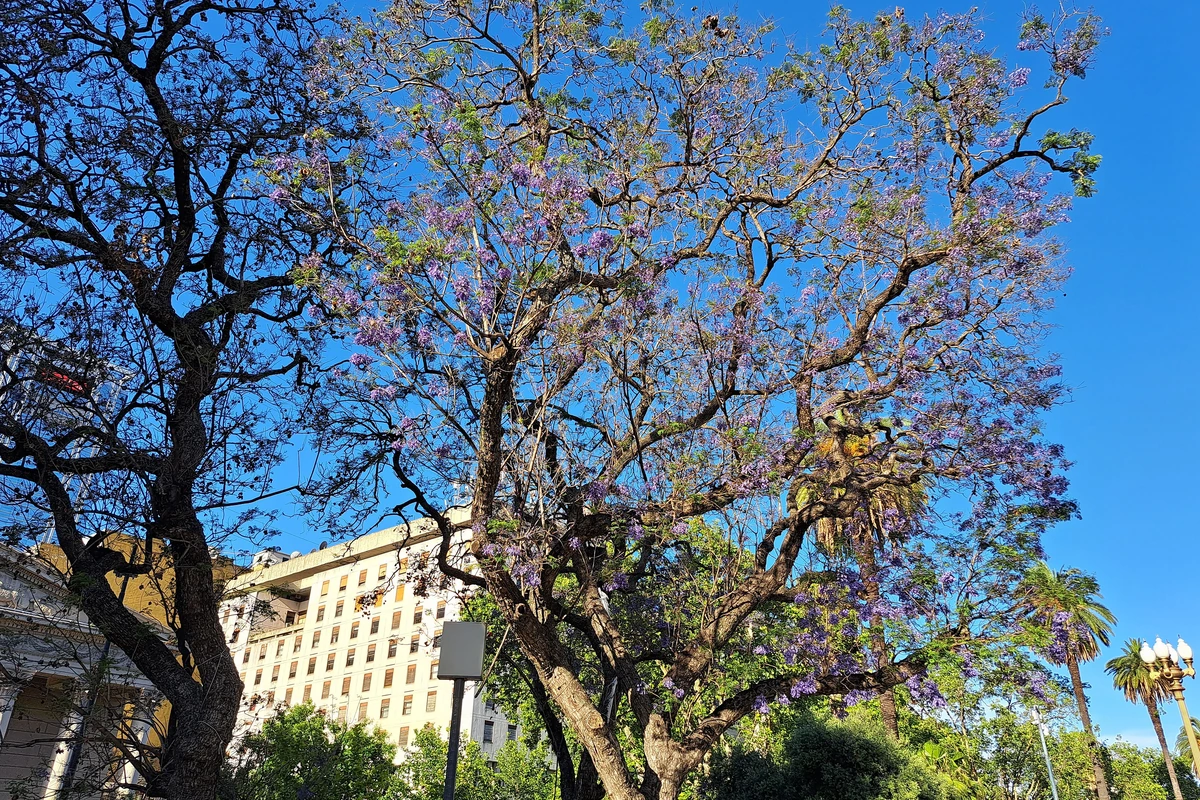
Canada's summer is Argentina's winter
A Canadian arriving in July steps into Argentina's winter. The southern-hemisphere calendar puts summer in December to February, autumn in March to May, winter in June to August and spring in September to November. That reversal affects everything from a school start to the clothes needed on arrival.
July is the coldest month, and January the hottest. The astronomical seasons begin around 21 June and 21 December for winter and summer respectively. Spring has a public moment of its own on 21 September, Día de la Primavera, which is also Students' Day.
Buenos Aires changes more indoors than a Canadian may expect
Buenos Aires summers, from December to February, are humid, with January highs around 30°C, lows near 20°C and heavy thunderstorms. Many residents take holidays in January, quietening the city and slowing some businesses. Arriving then can mean heat outside and a slower pace of errands.
Autumn brings a gentler arrival: from March to May, highs decline from about 26°C to 19°C. Spring reverses that progression between September and November. Jacaranda trees colour many streets purple in late October and November.
Winter, from June to August, is mild on paper but damp in practice. July highs average about 15°C and lows about 8°C; frost is rare, and snow almost never falls in the city. The condition of a particular apartment matters more than the comparison with a Canadian winter suggests.
As spring highs climb from about 19°C to 26°C, days outdoors become easier without January's humidity. For someone choosing a first address, that comfortable window also leaves time to learn how the home performs before its first hot summer.
Many Buenos Aires flats lack central heating. Gas heaters and split air conditioners marked frío/calor provide warmth, and the latter also cool in summer; some newer buildings have underfloor heating, or losa radiante. Humedad, damp patches on walls, is common in older ground-floor units and is a useful detail to notice at a viewing.
The warmer months bring a health consideration too. Mosquito-borne dengue peaks in late summer and autumn in Buenos Aires and the north, making repellent useful from December through May.
The interior trades coastal damp for colder nights
Mendoza sits beside the Andes at about 750 metres in a semi-arid climate. It receives roughly 200 mm of rain annually, mostly in summer storms; January highs reach about 32°C. July days rise to around 15°C, yet nights approach freezing and frost is common, so a sunny afternoon can conceal a cold home after dark.
The Zonda is a hot, very dry wind off the Andes that blows mainly from May to November and can push temperatures up sharply within hours. Winter snowstorms can close the Cristo Redentor crossing to Chile for several days. Both are relevant to plans that depend on mountain travel.
Córdoba's dry, sunny winter is milder, with July highs around 19°C, while its summers are stormy. It can suit a household that dislikes Buenos Aires' winter damp, though the summer weather is part of the bargain.
Farther north, Salta and Jujuy get most of their rain from December to March. Dry, clear winter weather makes that season the easier one for reaching the high-altitude north-west.
Patagonian weather changes the meaning of a winter move
Bariloche's July highs sit near 6°C, with sub-zero nights and regular snow around the Andean lake district. Cerro Catedral's ski season usually runs from late June to September. Summers are gentler, with highs around 21°C, but the winter conditions make heating and access central housing questions.
Around El Calafate and Río Gallegos on the southern steppe and coast, wind is the feature that shapes days outside. It is strongest from spring into summer, just when a Canadian might expect milder weather to make everything easier.
Ushuaia's January highs average only about 14°C. Daylight stretches to roughly 17 hours in December and contracts to about seven in June, giving the two seasons very different daily rhythms. A windproof shell and warm layers remain useful there throughout the year.
Arrival timing depends on what the household needs to begin
For an adult with a flexible start date, March–April or October–November gives Buenos Aires mild weather without January's holiday slowdown. It also avoids the two-week school winter break in July, when flights and Patagonian accommodation fill up. A move to a mountain or northern address calls for the local season, rather than the capital's, to set the date.
School-age children change the calculation. Argentina's school year runs from late February or early March to mid-December, making a February arrival useful for a family that wants children to begin with their class.
In Buenos Aires, summer clothes, a light waterproof jacket and warm layers for July evenings and unheated rooms cover more situations than a Canadian parka. The parka earns its place for winter in Patagonia or the mountains. The most useful weather question at a viewing may be how the rooms heat and cool, rather than how low the outdoor thermometer goes.
Questions that change the plan
When do Argentina's seasons fall?
Spring is September to November, summer December to February, autumn March to May and winter June to August. The seasonal calendar is the reverse of Canada's.
How cold is an Argentine winter?
Winter runs June to August, with July the coldest month. Buenos Aires has highs near 15°C, while Bariloche has regular snow and Ushuaia sees much colder conditions than the capital.
Does it snow in Buenos Aires?
Almost never. The city's last notable snowfall was on 9 July 2007; winter rain and damp are more familiar concerns.
What is the time difference between Argentina and Canada?
Buenos Aires is one hour ahead of Toronto and four ahead of Vancouver during Canadian daylight time. From November to March the differences are two and five hours respectively; Argentina does not change its clocks.
Which months make a Buenos Aires move easier?
March, April, October and November bring mild weather without January's holiday slowdown or the July school break. A February arrival may suit a family whose children will start the Argentine school year.